
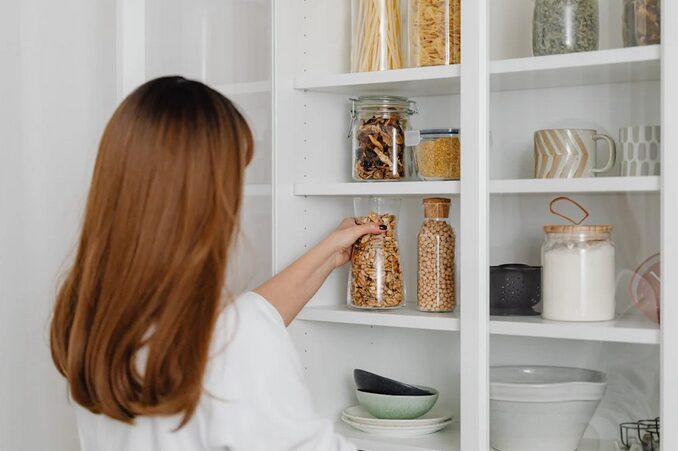
You wouldn’t build a house on a cracked foundation. So why treat your kitchen any differently? Cabinets take a beating—steam, slams, spills, and the occasional toddler climbing them like a jungle gym. That’s why the material you choose isn’t just for looks. If you’re curious about what holds up best, this guide on the best wood for cabinet doors is a solid place to start.
Function Comes First
Think of your kitchen as a workspace, not a museum. Cabinets need to open, close, and clean easily. If they don’t, no amount of trendy finish or hardware will save them. Softwoods might look charming, but they’ll dent faster than you can say “cutting board mishap.” Go too hard on hardwoods, though, and you’ll find yourself drilling into armor. Balance is everything. And yes, that budget plywood may work for now, but wait until the humidity hits.
Wood Isn’t Just Wood
A lot of people think “solid wood” means quality. Not quite. Some woods are better at handling heat and moisture. Others shrink, warp, or stain faster. Maple, oak, cherry, they each come with their own quirks. It’s like choosing a dog breed. Sure, they all bark, but some chew your couch, some shed like crazy, and some are just great with kids. Know what matters to you and pick accordingly.
Think About Maintenance Before You Commit
Ever tried wiping spaghetti sauce off raw wood? Don’t. Unless you like panic scrubbing and eventual regrets. A good finish goes a long way in protecting your cabinets. So before you fall for a dreamy matte texture or a cool grain pattern, ask yourself: do I want to baby these things?
Don’t Just Copy What You See Online
That gorgeous kitchen on Pinterest? It might be a photoshoot. One where no one actually cooks. If you’ve got kids, pets, or a partner who thinks cabinet doors are made to be slammed, adjust your expectations. Homeowners often install glossy white cabinets in their homes. Looked stunning. Six months later? Scratches, yellowing, and one door literally falling off.
The Right Choice Isn’t Complicated

You don’t need a PhD in wood science. You just need a clear head and honest priorities. How often do you cook? How rough is your household on furniture? Do you want it to last 3 years or 15? Once you’ve got answers to those, choosing the right material becomes a lot easier.
Don’t Ignore the Inside
What’s behind the door matters just as much as the front. Cheap interiors can sag under the weight of dishes, or worse, start peeling after one too many wipe-downs. A sturdy exterior means nothing if the shelves buckle under your cereal stash. Pay attention to the full construction: hinges, drawer slides, and interior finish.
If it feels flimsy now, it won’t get better with time. Treat the inside like part of the investment, not an afterthought. A good guide on the best wood for cabinet doors can help you compare options without the guesswork. Because in the end, your cabinets shouldn’t just look nice for guests.