
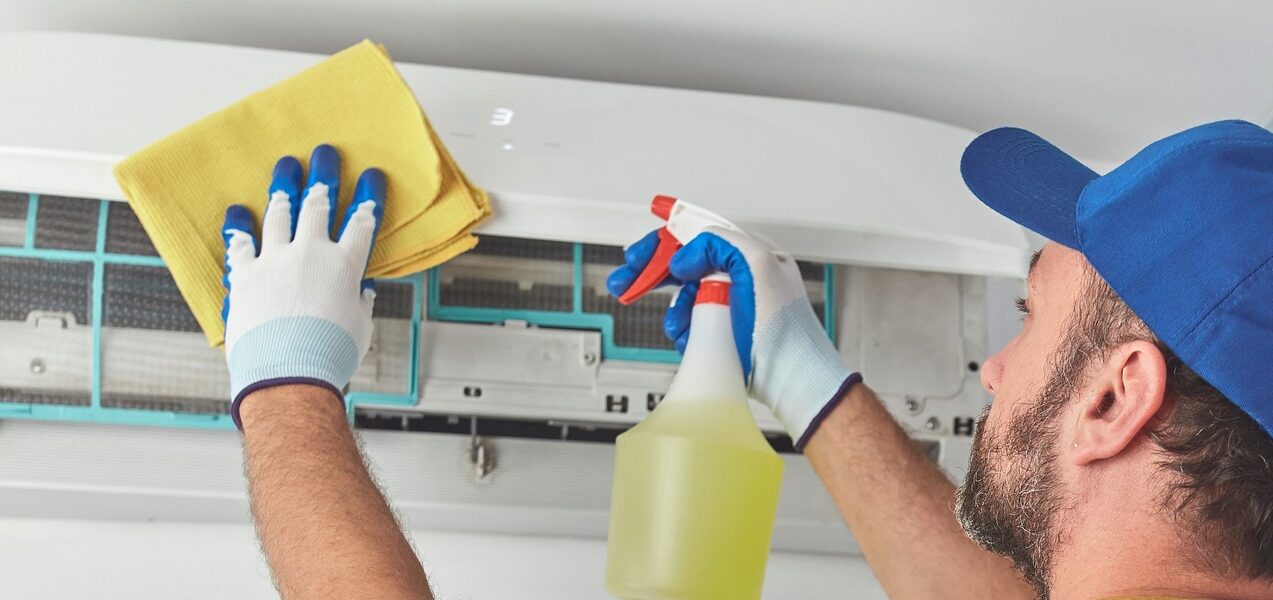
Refrigerant regulations have significantly changed how technicians maintain and repair older heating, ventilation, and air conditioning systems. These rules were introduced largely because certain refrigerants contribute to ozone depletion or climate change when released into the atmosphere. As scientific understanding grew, governments restricted the production, importation, and use of substances linked to environmental damage. Consequently, repairing an older cooling system now involves more than restoring its mechanical operation. Technicians must also consider the refrigerant it uses, the availability of replacement supplies, and the legal requirements governing its handling.
The Phaseout of Older Refrigerants
One of the most significant changes has been the gradual phaseout of chlorofluorocarbons and hydrochlorofluorocarbons, commonly known as CFCs and HCFCs. Refrigerants such as R12 and R22 were widely used in older refrigerators, air conditioners, and commercial cooling equipment. However, their environmental effects led to international agreements and national regulations limiting their production and consumption. As supplies of these refrigerants became restricted, servicing older systems grew more complicated. A unit that once needed a straightforward refrigerant recharge could become expensive to maintain as suitable refrigerant became harder to obtain and increasingly costly.
Changes in Refrigerant Handling and Repair Procedures
 Environmental regulations have also influenced the practical methods technicians use during maintenance. Refrigerants can escape when technicians disconnect pipes, components fail, or equipment is improperly serviced. Modern refrigerant management requirements therefore emphasize recovery, recycling, and reclamation rather than releasing refrigerant into the atmosphere. In the United States, applicable rules require technicians to use approved recovery practices and prohibit intentional venting of regulated refrigerants. These requirements have made specialized equipment and technical knowledge essential to repairs. Diagnosing a leak, recovering the remaining refrigerant, and restoring the system correctly are now key parts of environmentally responsible servicing.
Why Refrigerant Substitution Is Not Always Straightforward
As older refrigerants become less accessible, alternative substances may seem like a practical solution. However, refrigerants differ in operating pressure, chemical composition, lubrication requirements, and compatibility with system components. For example, an older air conditioner designed for R22 cannot automatically operate safely or efficiently with R410A. Converting a system may require compatible components, lubricant changes, and specific engineering assessments. Some alternatives are approved only for particular equipment designs and applications. Consequently, technicians must distinguish between refrigerants suitable for new equipment and those approved for retrofitting existing systems. Substituting without considering these differences can compromise performance, reliability, and safety.
The Financial and Practical Effects on Older Equipment
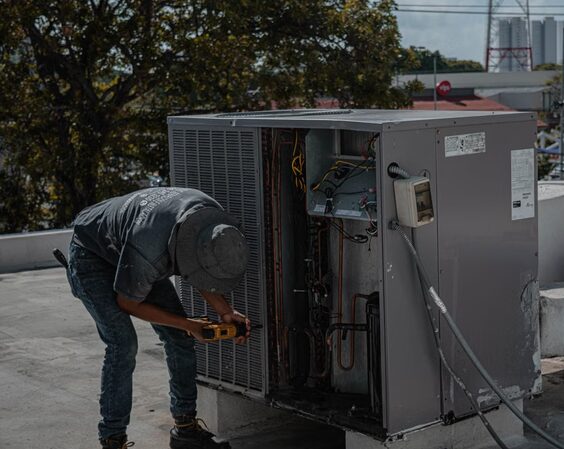
Refrigerant regulations have changed the financial considerations surrounding older cooling systems. When a refrigerant becomes scarce, its remaining supply may cost more, increasing the expense of repairing leaks or replacing lost charge. Reclaimed refrigerant can help keep existing equipment running, but its availability depends on recovery and processing networks. At the same time, replacement parts, energy efficiency, equipment age, and the extent of mechanical damage influence whether continued repairs remain practical. Regulations do not automatically require replacing every older system, but they can shift the balance between maintaining existing equipment and investing in newer technology. These decisions increasingly depend on both immediate repair costs and longer-term operating considerations.
Refrigerant regulations have transformed older HVAC repairs by changing refrigerant availability, handling procedures, equipment compatibility, and maintenance costs. Systems that once required routine recharging may now need more careful evaluation because their original refrigerants are restricted or expensive. Although many older units can keep operating, repairs depend on available refrigerant supplies, compatible components, and compliance with applicable rules. Understanding these changes explains why modern servicing involves environmental responsibility alongside mechanical expertise.